
Evolved Gas Analysis Products

Evolved gas analysis (EGA) is an analytical technique in which the characteristics or amount of volatile products released by a substance are determined as a function of controlled temperature variation. EGA is typically used in materials science research and in the pharmaceutical industry to determine thermal stability, decomposition mechanisms, the nature of residual solvents and product safety. 

Thermal analysis allows the elucidation of microscopic information—such as chemical properties and crystal structure—allowing more precise determination of what kind of processes are occurring in the sample. The evaluation of thermal stability of polymeric and electronic materials, and recycling processing of polymers are socially important technologies, so there are increasing demands for improved EGA analysis methods. 

Combining multiple techniques, simultaneous measurement of two or more properties from the same sample can provide significantly more information than sequential determination of these same properties. One of the most remarkable developments in thermal analysis techniques is "three-dimensional thermal analysis."

TG-MS, a simultaneous technology coupling thermogravimetry (TG)—which determines mass change as a function of temperature—and mass spectrometry (MS), is a typical method in evolved gas analysis (EGA). TG-MS has become increasingly popular in the analytical laboratory.

Products

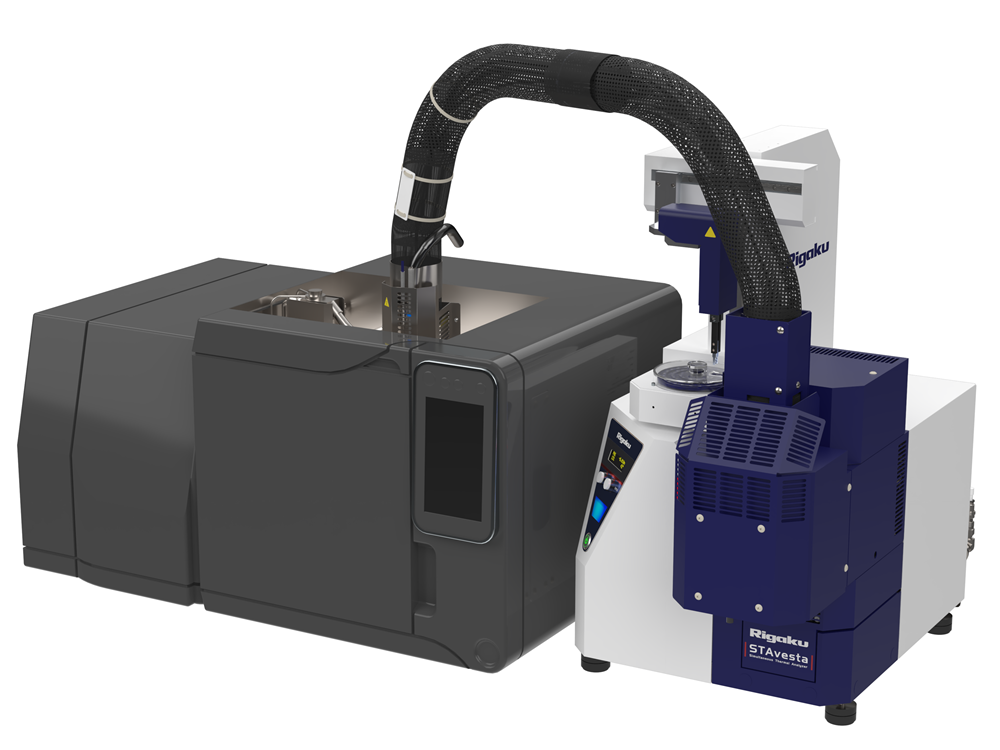
Sample observation STA-GCMS

TG-GCMS measurements while observing the sample.

Learn more
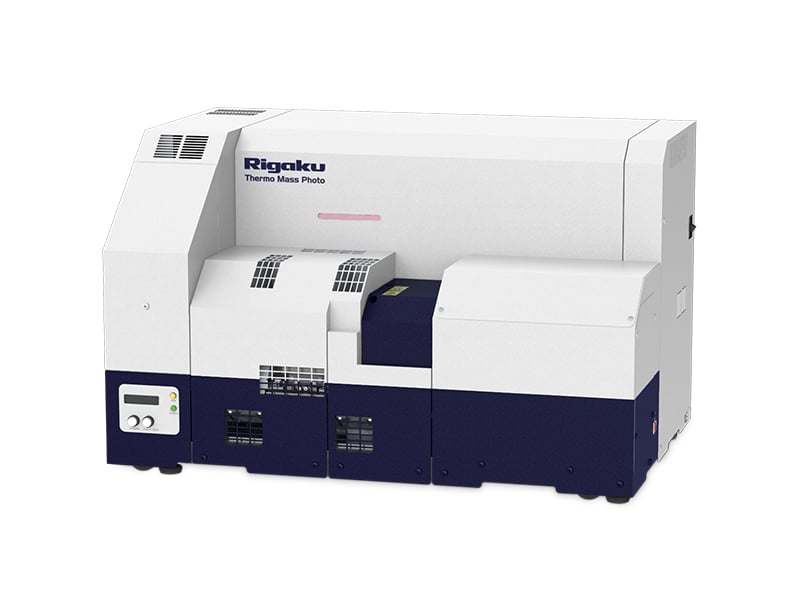
ThermoMass Photo

An integrated thermal analysis instrument capable of high-precision mass analysis of evolved gases without breaking the molecules, allowing direct measurement.

Learn more
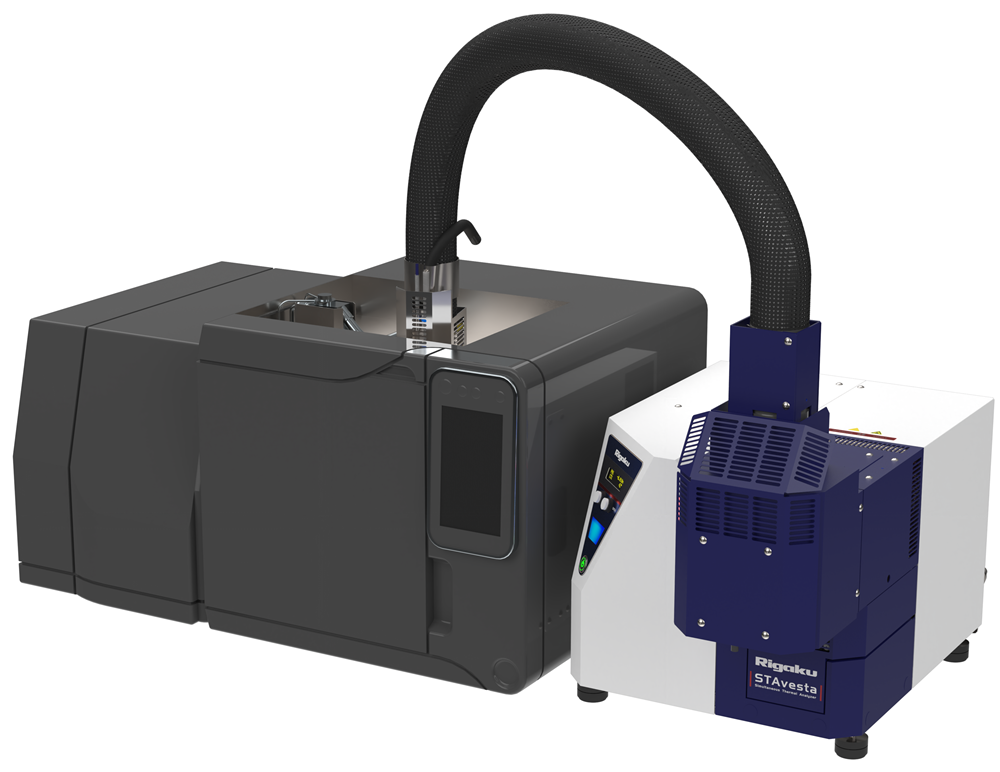
STA-GCMS

A thermal analysis device capable of highly sensitive simultaneous measurement of chemical reaction information that is difficult to determine with thermal analysis alone.

Learn more
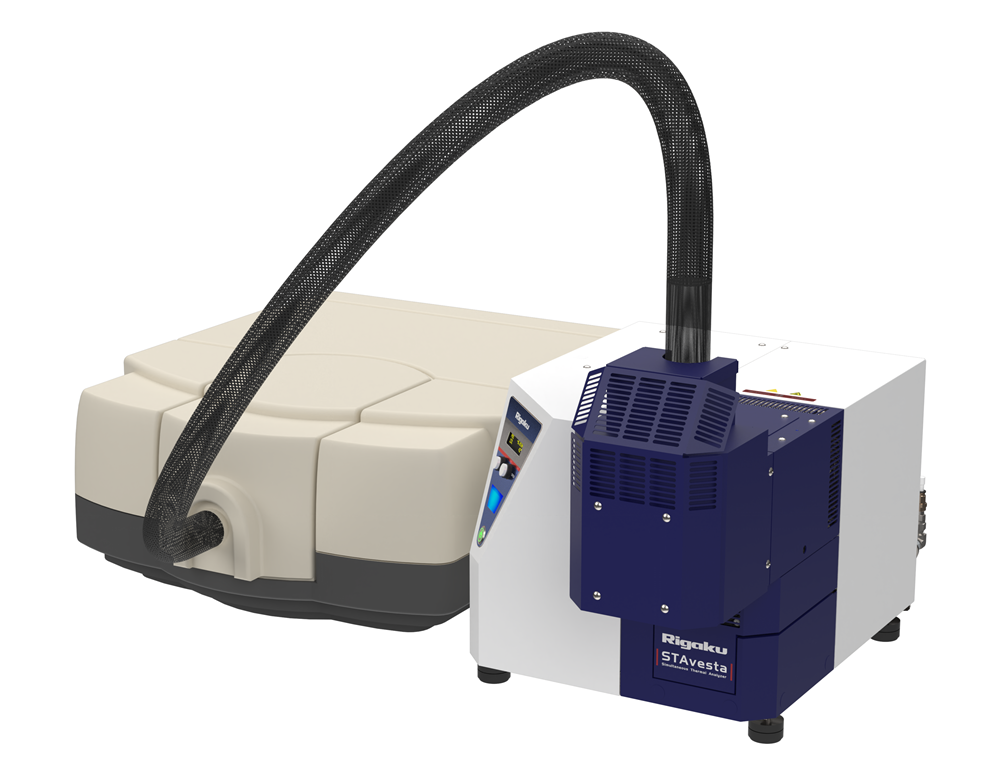
STA-FTIR

In STA(TG)-FTIR, gases evolved by volatilization or thermal decomposition are qualitatively analyzed, which allows you to track changes in the generated amount along with the temperature change.

Learn more
Application notes

Explore the example analyses to see which analytical technique is right for you.

Contact Us

Whether you're interested in getting a quote, want a demo, need technical support, or simply have a question, we're here to help.