
What is Chemical / Composition Identification?
Commonly employed techniques to non-destructively determine the composition of an unknown sample are X-ray fluorescence (XRF) , X-ray diffraction (XRD) and Raman spectroscopy.
X-ray fluorescence provides elemental composition information for boron (B) through uranium (U) from parts-per-million (PPM) to percent (%) levels. Using fundamental parameters (FP) algorithms, XRF can provide quantitative analysis without the need for reference standards.
X-ray diffraction provides phase composition identification and can distinguish the major, minor, and trace compounds present in a sample. XRD analysis includes the mineral name of the substance, chemical formula, crystalline system, and reference pattern number from the ICDD International database. Standardless quantitative information can also be obtained from XRD using Rietveld Analysis.
Handheld Raman provides emergency responders, law enforcement agencies and the military with the industry’s most comprehensive tool for chemical identification, CBRNe detection, and narcotics classification in a fast and simple handheld form. Faced with increasingly sophisticated chemical threats and global drug trafficking, handheld Raman devices provide users with confidence to: detect explosive threats quickly and accurately in harsh environments, identify a wide range of narcotics and illegal drugs, and respond to suspicious hazardous materials that risk public safety.
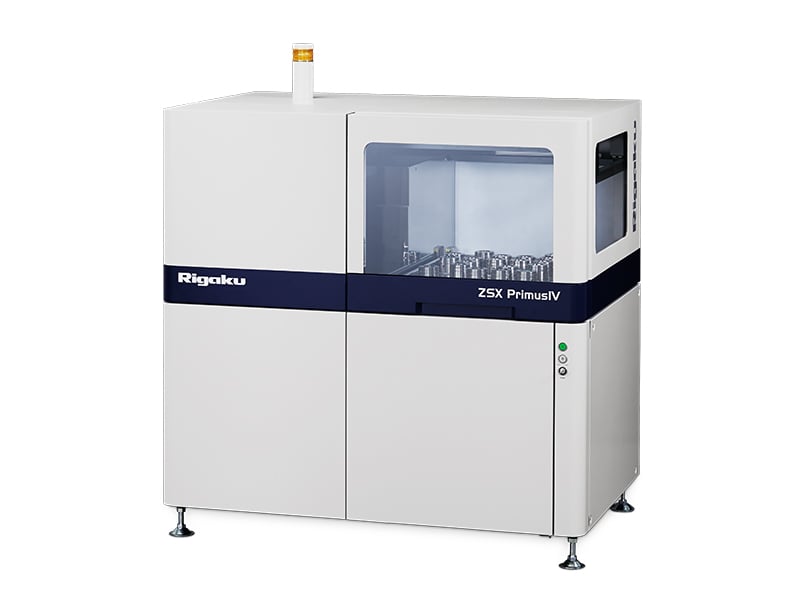
ZSX Primus IV
High-power, tube-above, sequential WDXRF spectrometer with ZSX Guidance expert system software
Learn more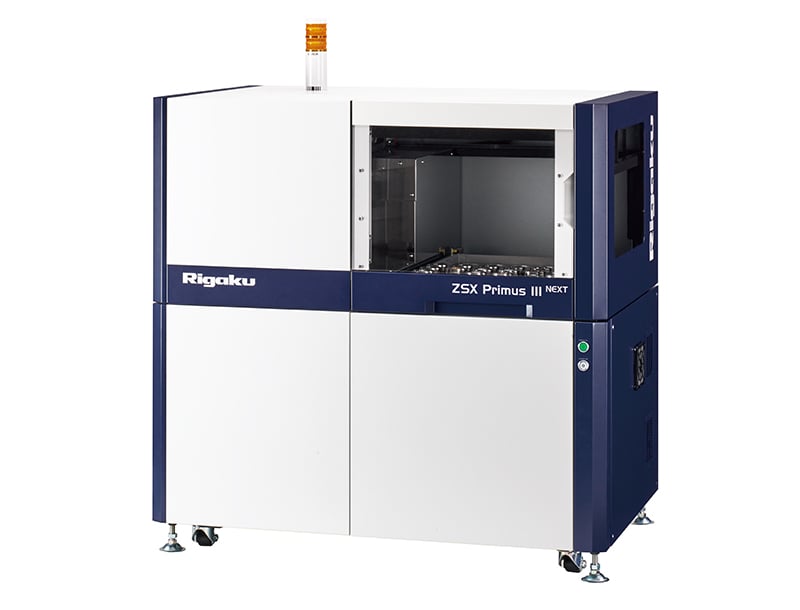
ZSX Primus III NEXT
Affordable, high-end, tube-above Industrial WDXRF for the analysis of solid samples
Learn more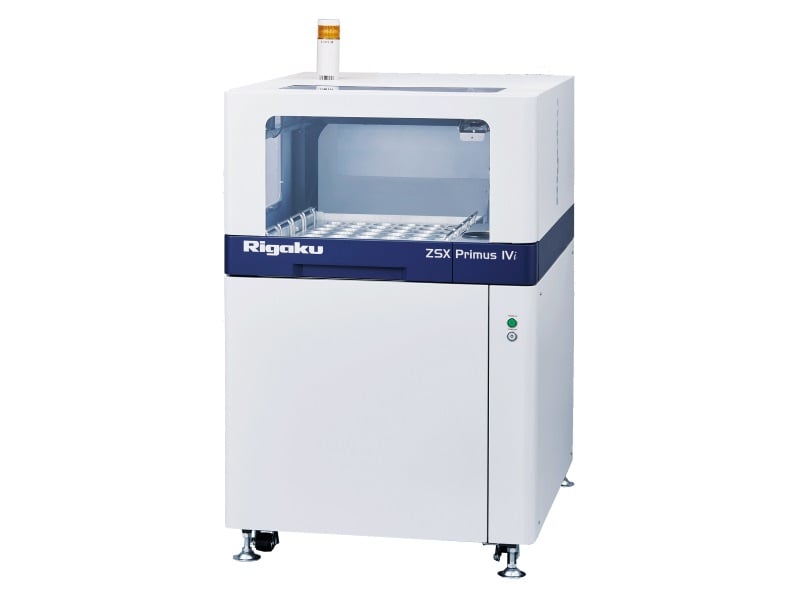
ZSX Primus IV𝒾
High-power, tube-below, sequential WDXRF spectrometer with new ZSX Guidance expert system software
Learn more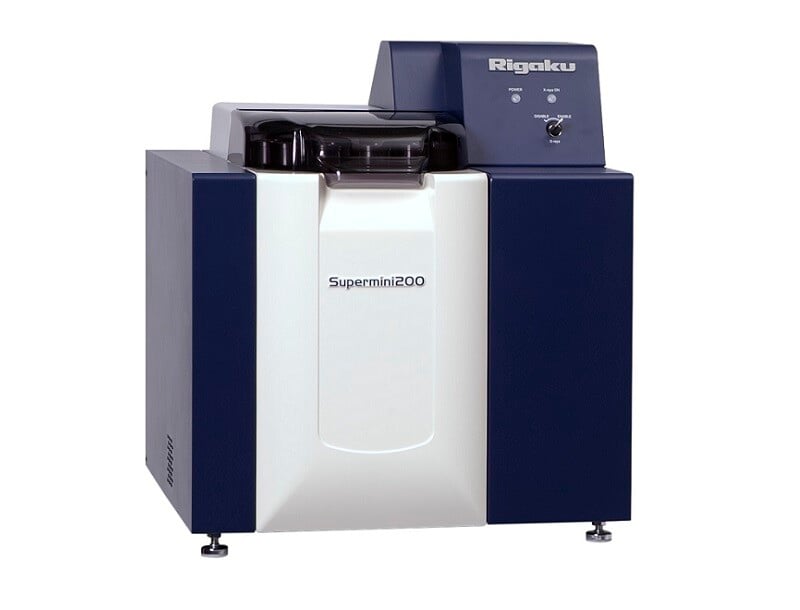
Supermini200
Benchtop tube below sequential WDXRF spectrometer analyzes O through U in solids, liquids and powders
Learn more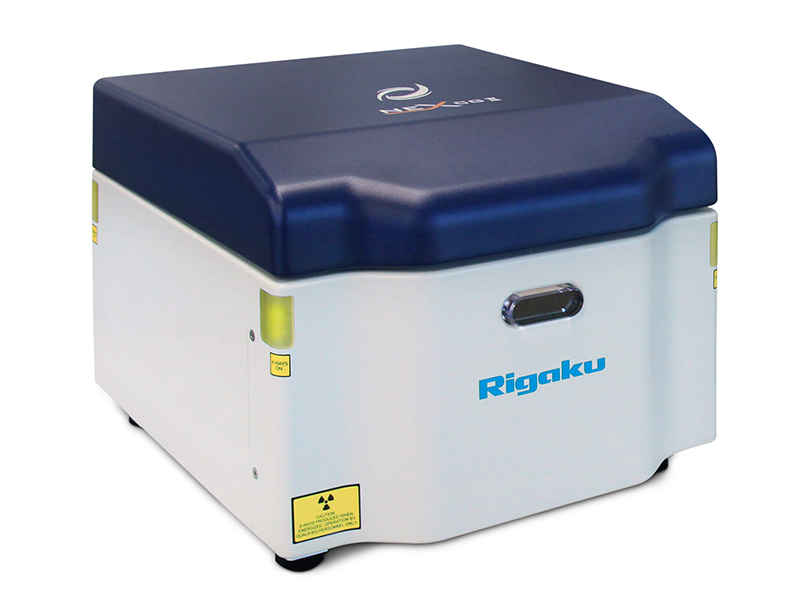
NEX CG II Series
High-performance indirect excitation EDXRF for complex applications with trace elements and variable base matrices
Learn more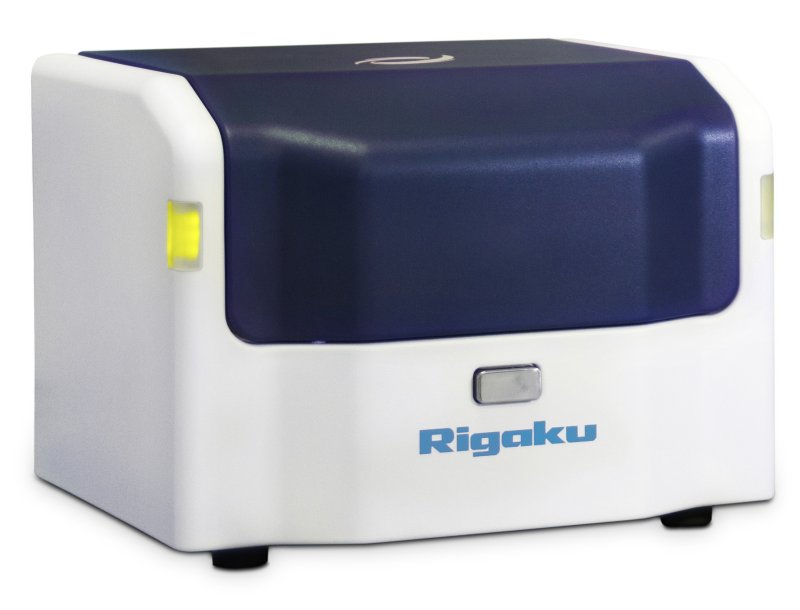
NEX DE Series
High-power 60 kV EDXRF systems delivering speed, precision, and small spot measurements
Learn more

Contact Us
Whether you're interested in getting a quote, want a demo, need technical support, or simply have a question, we're here to help.