
What Is Polymorph Screening?
Identification of polymorphs in pharmaceutical products stands as one of the primary applications of X-ray diffraction (XRD), a technique crucial for quality control and regulatory compliance in the pharmaceutical industry. This versatile tool enables the precise detection and quantification of polymorphic contamination, playing a pivotal role in enhancing production efficiency and cost-effectiveness. Polymorphs, which are different crystalline forms of the same compound, possess distinct powder diffraction patterns that serve as unique fingerprints for their crystal structures. By analyzing these patterns, researchers can distinguish one polymorph from another with high specificity, facilitating the characterization of various polycrystalline structures within drug compounds.
This phase analysis can range from qualitative identification to comprehensive quantitative analysis, offering insights into the relative proportions of different polymorphs present. Furthermore, XRD analysis is not limited to single polymorph studies but extends to multi-component formulations, allowing for the assessment of complex mixtures and the identification of any polymorphic variations therein. This comprehensive approach to polymorph identification and quantification empowers pharmaceutical manufacturers to optimize their formulations, ensuring product consistency, efficacy, and compliance with regulatory standards. Additionally, by identifying and mitigating the presence of undesirable polymorphs, XRD analysis contributes to the development of safer and more stable pharmaceutical products, thus bolstering consumer trust and confidence in the industry.
A special case of this type of analysis is "percentage crystallinity," where the volume percentage crystalline active ingredient to an amorphous filler is measured within a dosage formulation. X-ray diffraction analysis is also employed to study dosage formulations, under a variety of environmental conditions and over time, to characterize the formation of any polymorphs that could adversely affect performance and toxicity.
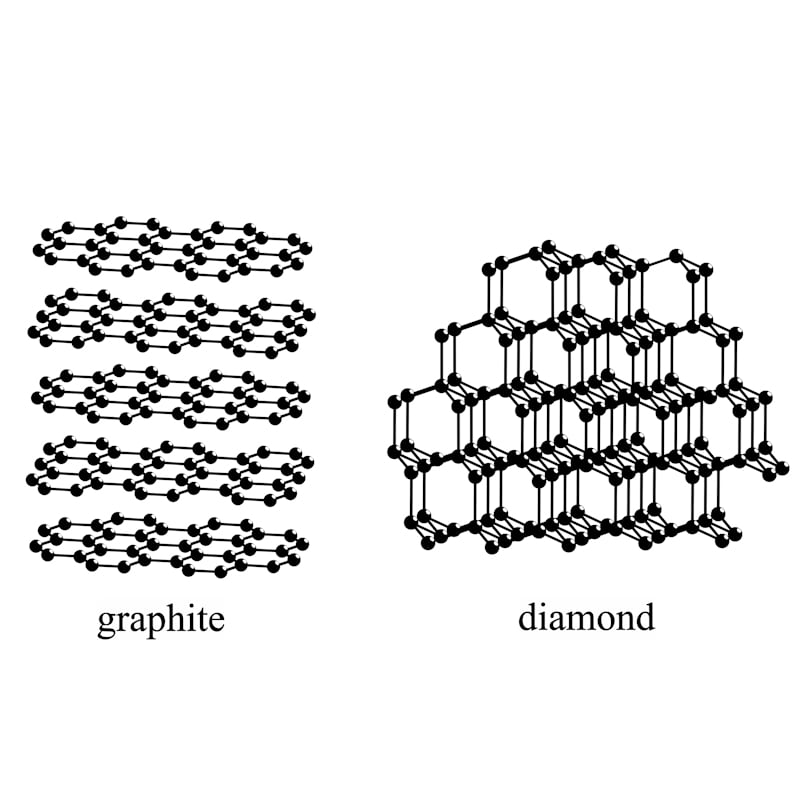
Graphite and diamond are considered to be polymorphs, which means they are identical in the chemical aspect, but very different when it comes to crystal structure.

XtaLAB Synergy-S
Our most popular diffractometer for Chemical Crystallography and Mineralogy, configured with either single or dual microfocus sealed tube X-ray sources and an extremely low noise direct X-ray detection detector.
Learn more
XtaLAB Synergy-R
Our most popular diffractometer for Protein Crystallography, configured with a high-flux rotating anode X-ray source and an extremely low noise direct X-ray detection detector.
Learn more
XtaLAB Synergy-DW
Spectacular performance combined with dual wavelength versatility, provides the perfect answer for high-capacity Chemical Crystallography labs or for X-ray facilities that support Chemical Crystallography and Protein Crystallography.
Learn more
XtaLAB Synergy-i
An entry-level single crystal X-ray diffractometer for Chemical Crystallography configured with microfocus sealed tube technology and a direct X-ray detection detector.
Learn more
XtaLAB mini II
A benchtop single crystal X-ray diffractometer ideal for chemical crystallography and teaching.
Learn more
XtaLAB Synergy-ED
A new and fully integrated electron diffractometer for measuring submicron crystals, utilizing a seamless workflow from data collection to structure determination of crystal structures.
Learn more
SmartLab
Advanced, state-of-the-art, high-resolution XRD system powered by Guidance expert system software
Learn more
SmartLab SE
Highly versatile multipurpose X-ray diffractometer with built-in intelligent guidance
Learn more
MiniFlex
Sixth-generation general purpose benchtop XRD system for phase ID and phase quantification
Learn more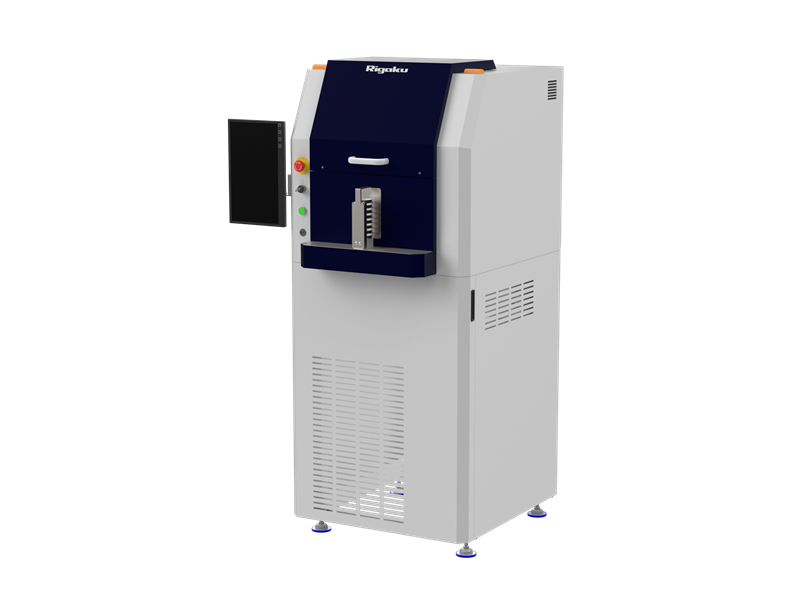
MiniFlex XpC
Compact X-ray diffractometer for quality control of materials that is easy to use and is ideal for routine work
Learn more
Progeny
Handheld Raman for raw material identification and finished product authentication using 1064 nm Raman analysis.
Learn more
Rigaku Automation Interface
Open Python orchestration interface for seamless integration and safe testing
Learn more

Contact Us
Whether you're interested in getting a quote, want a demo, need technical support, or simply have a question, we're here to help.