
How Is Pore Size Distribution Determined?
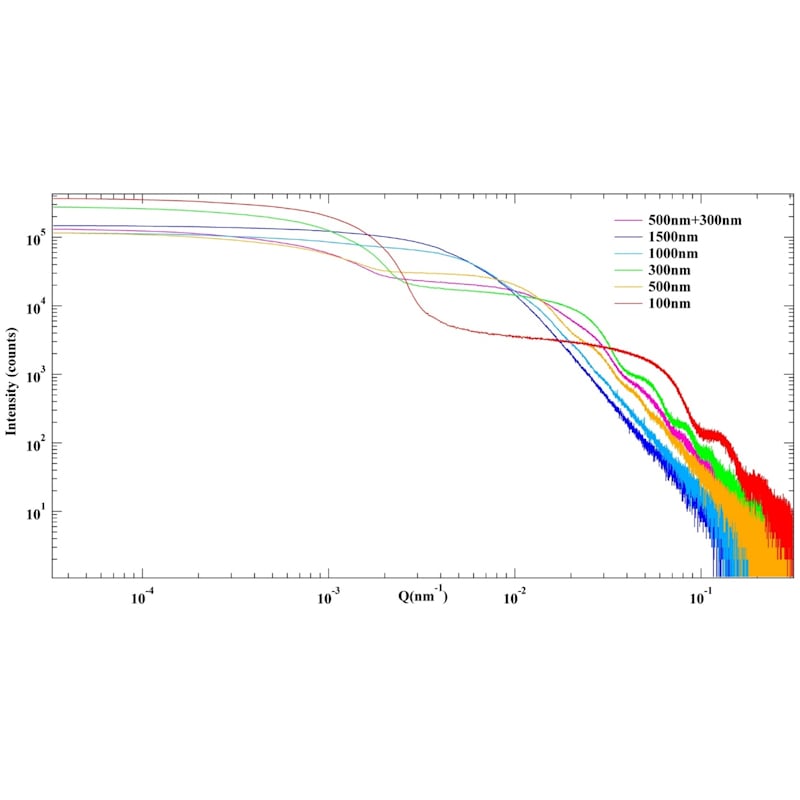
XRD/SAXS for determination of pore sizes
Porosity and surface area are important characteristics of solid materials that highly determine the properties and performance of many advanced materials, including catalysts, sorbents, nanoparticles, low-k dielectric films, and pharmaceuticals. While a variety of techniques are employed to analyze pore related properties, X-ray diffraction (XRD) and related methods like small angle X-ray scattering (SAXS) have the advantage of being non-destructive. SAXS is capable of pore size determination with pore diameters below 10 Å.

SmartLab
Advanced, state-of-the-art, high-resolution XRD system powered by Guidance expert system software
Learn more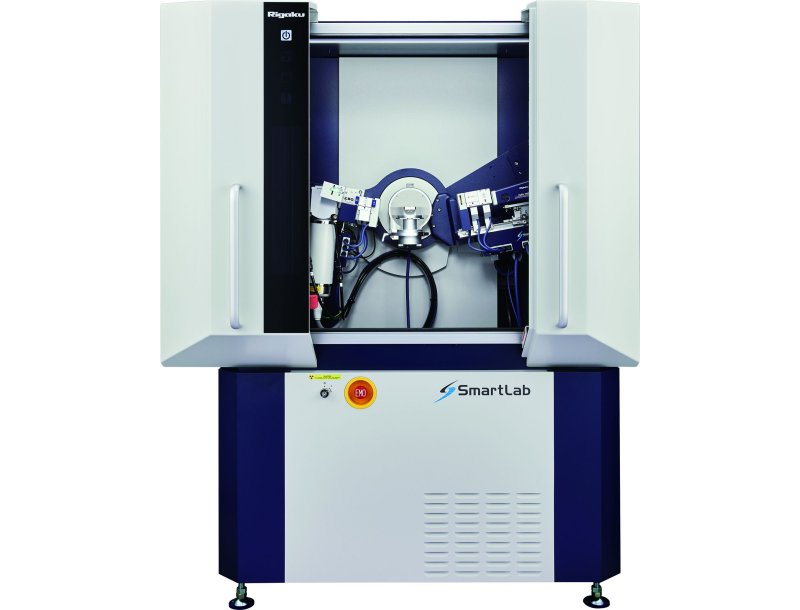
SmartLab SE
Highly versatile multipurpose X-ray diffractometer with built-in intelligent guidance
Learn more

Contact Us
Whether you're interested in getting a quote, want a demo, need technical support, or simply have a question, we're here to help.