
What Is High-temperature X-ray Diffraction Used For?
Study material behavior as a function of temperature
X-ray diffraction (XRD) at non-ambient conditions can be used for a variety of applications, including the study of dynamic processes that need to be investigated in situ. Examples of such processes are the reactions involving the solid state, phase transitions, crystallite growth, thermal expansion, etc. X-ray diffraction can be used as a very informative complement to other, more traditional, thermal analytical techniques (thermogravimetry, differential scanning calorimetry, etc.), thus effectively providing phase identification, texture analysis, and crystallite size measurement.


MiniFlex
Sixth-generation general purpose benchtop XRD system for phase ID and phase quantification
Learn more
SmartLab
Advanced, state-of-the-art, high-resolution XRD system powered by Guidance expert system software
Learn more
SmartLab SE
Highly versatile multipurpose X-ray diffractometer with built-in intelligent guidance
Learn more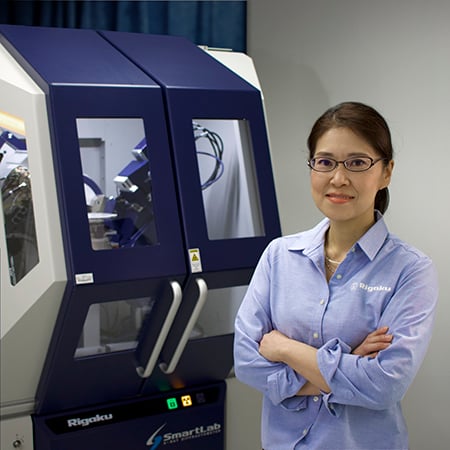
Contact Us
Whether you're interested in getting a quote, want a demo, need technical support, or simply have a question, we're here to help.